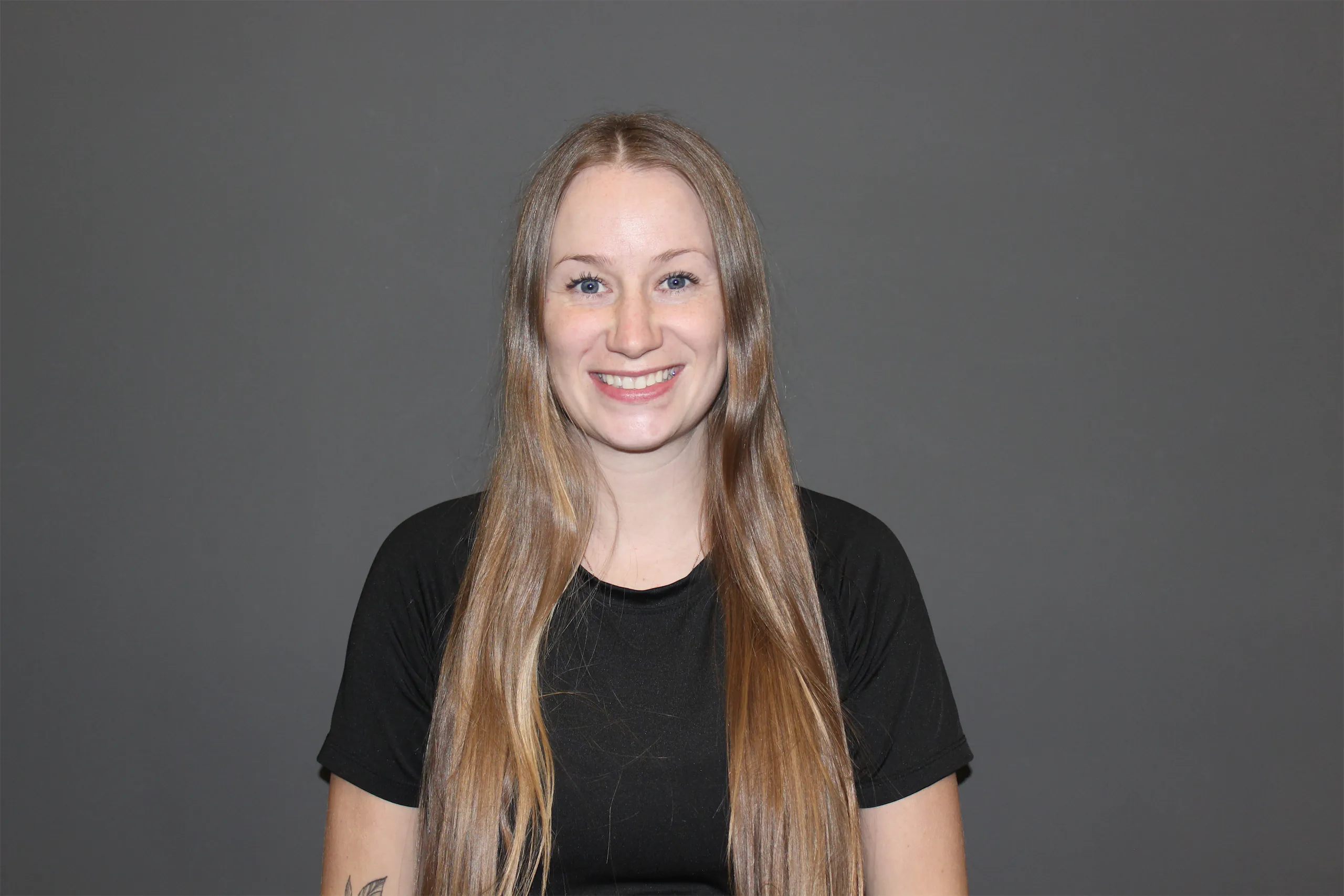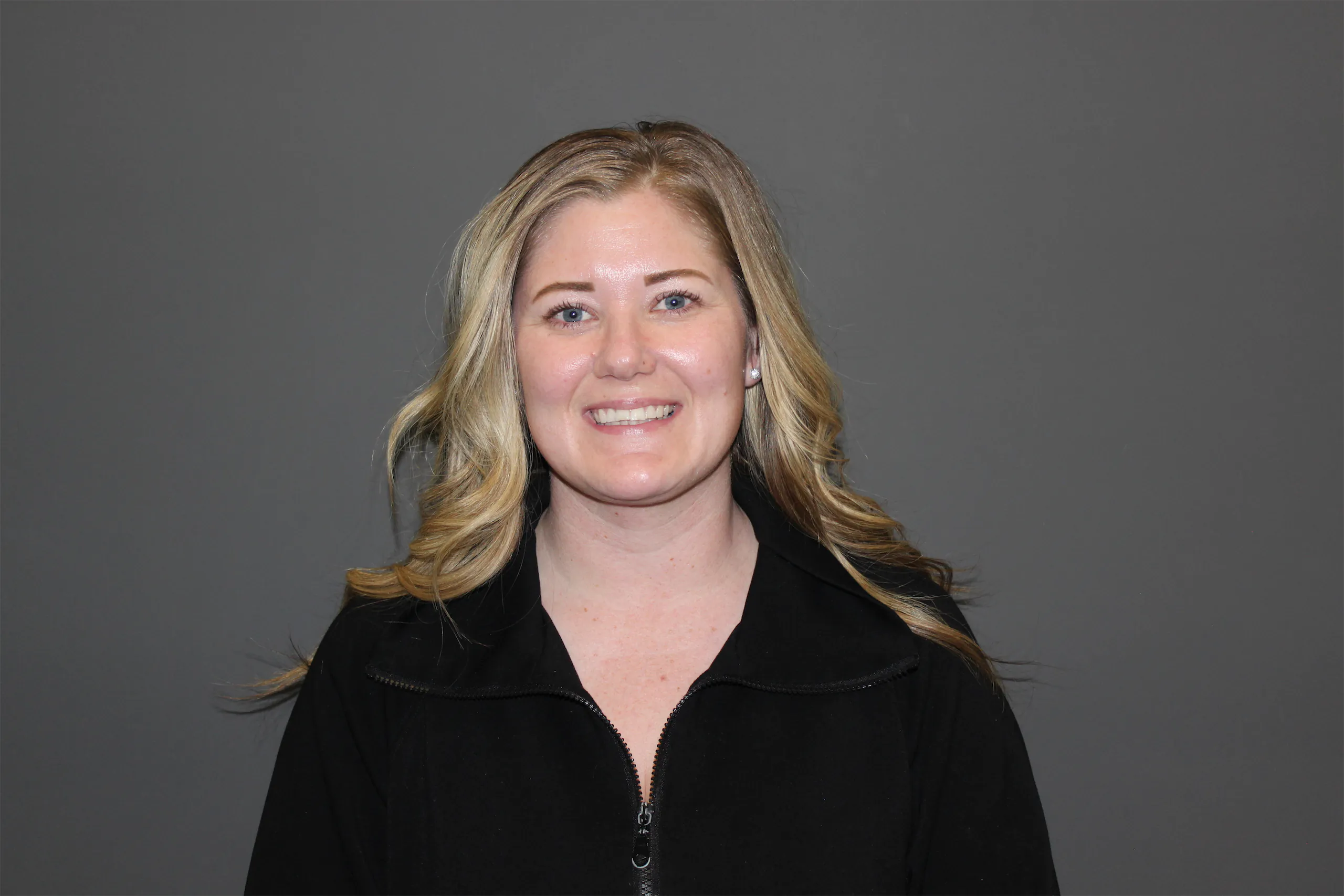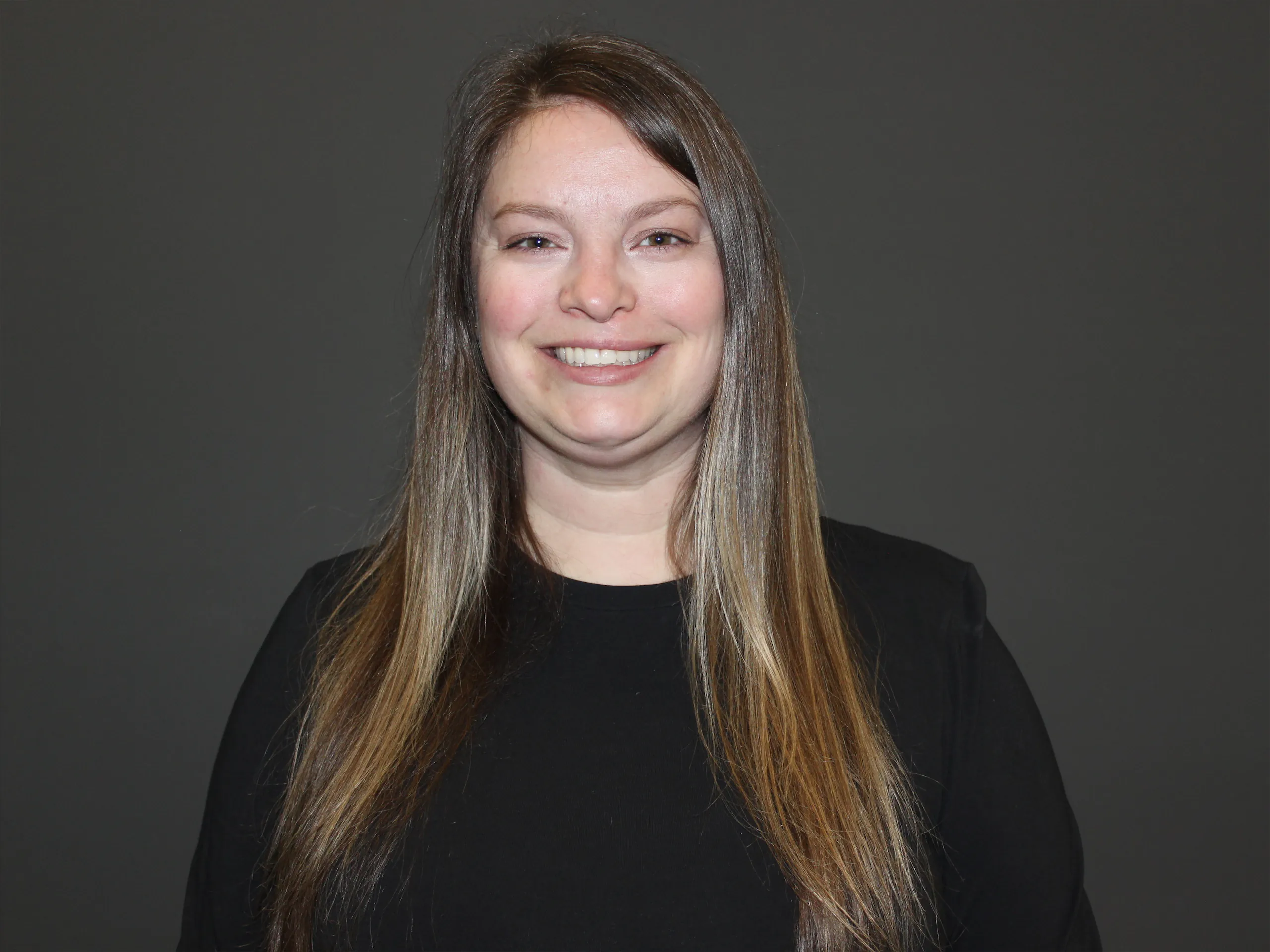
Kaylyn Staden
MScPT, BScKin, CAFCI
Kaylyn Staden grew up on a farm north of Mannville. She always had a passion for rehabilitation and recovery which sparked her desire to pursue physio. She first completed her Bachelor of Science in Kinesiology at the University of followed by her Master of Science in Physical. Since graduating, Kaylyn has continued to take additional courses to expand her knowledge and skillset in the field of physical therapy. Kaylyn is a level one manual therapist and has completed courses in anatomical acupuncture through Acupuncture Canada. She has also attended courses in Trigger Point Dry Needling, Advanced Vestibular Rehab, and treatment of the Temporomandibular joints (TMJ).
Kaylyn has experience treating injuries of all types such as, but not limited to: motor vehicle injuries; TMJ dysfunction; pre- and post-operative joint replacements; vestibular dysfunction; and chronic injuries. To be able to better achieve their therapeutic goals and self manage their condition, Kaylyn believes that education and good communication is key.
In her free time Kaylyn spends most of her time raising her two children but also enjoys riding horses, travelling and reading. She is looking forward to seeing you in the clinic to start your road to recovery.
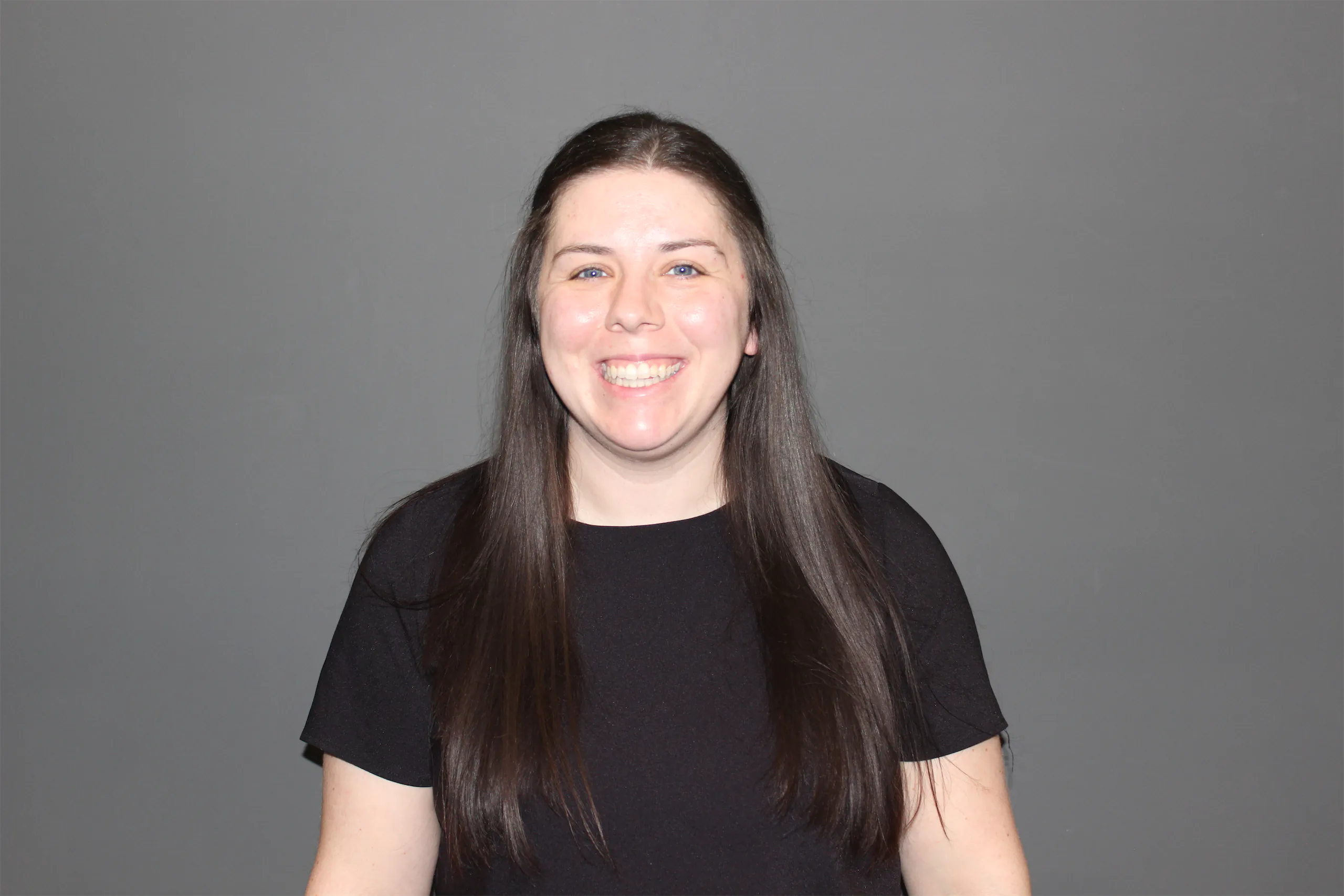
Kasondra Lewin
MScPT, Bsc, FDN
Kas has been calling Vermilion home since she graduated from the University of Alberta's MSc in Physical Therapy program in December 2016. She loves that her work here is so varied and that she gets to treat people from ages 2-100. In clinic, Kas sees everything from hip/knee replacements and hands injuries to sports and motor vehicle collision injuries. Kas has expanded her knowledge by taking additional courses in Advanced Vestibular Rehab (dizziness) and Functional Dry Needling.
Kas spends most of her spare time running after her two kiddos. She enjoys curling in the winter and exploring the provincial park in the summer while her husband tries to convince her to take up golf.
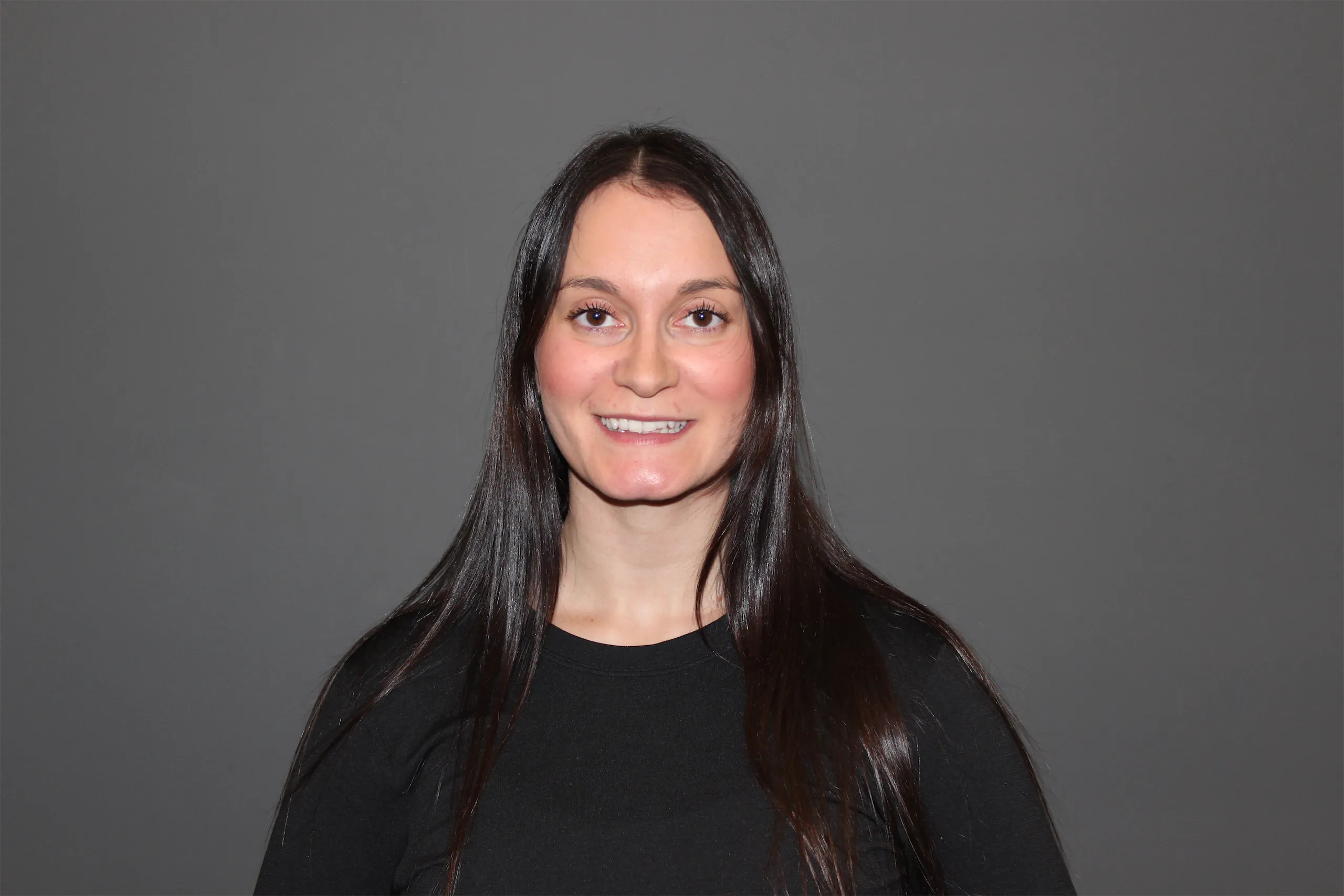
Shania Prior
MScPT, BScKin
Shania is a physiotherapist with a passion for helping people live their healthiest lives. She is originally from Newfoundland but now calls a farm north of Irma home. Shania's education began with an undergraduate degree in Kinesiology at Memorial University in St. John's, Newfoundland, followed by a Master's degree in Physiotherapy from Dalhousie University in Halifax, Nova Scotia. She particularly enjoys working with those with hip and knee issues. As well, she has a special interest in women's health and provides pelvic floor physiotherapy to women with urinary incontinence and care throughout their pre- and post-natal journey. Shania believes in empowering people through education, support, and tailored rehabilitation plans, aiming to help everyone live their fullest, most active life.
Shania's favorite ways to keep active are with anything outdoors, helping out on the farm, Pilates, and gardening. Shania enjoys treating all sorts of injuries and pain and brings a compassionate and practical approach to her work.
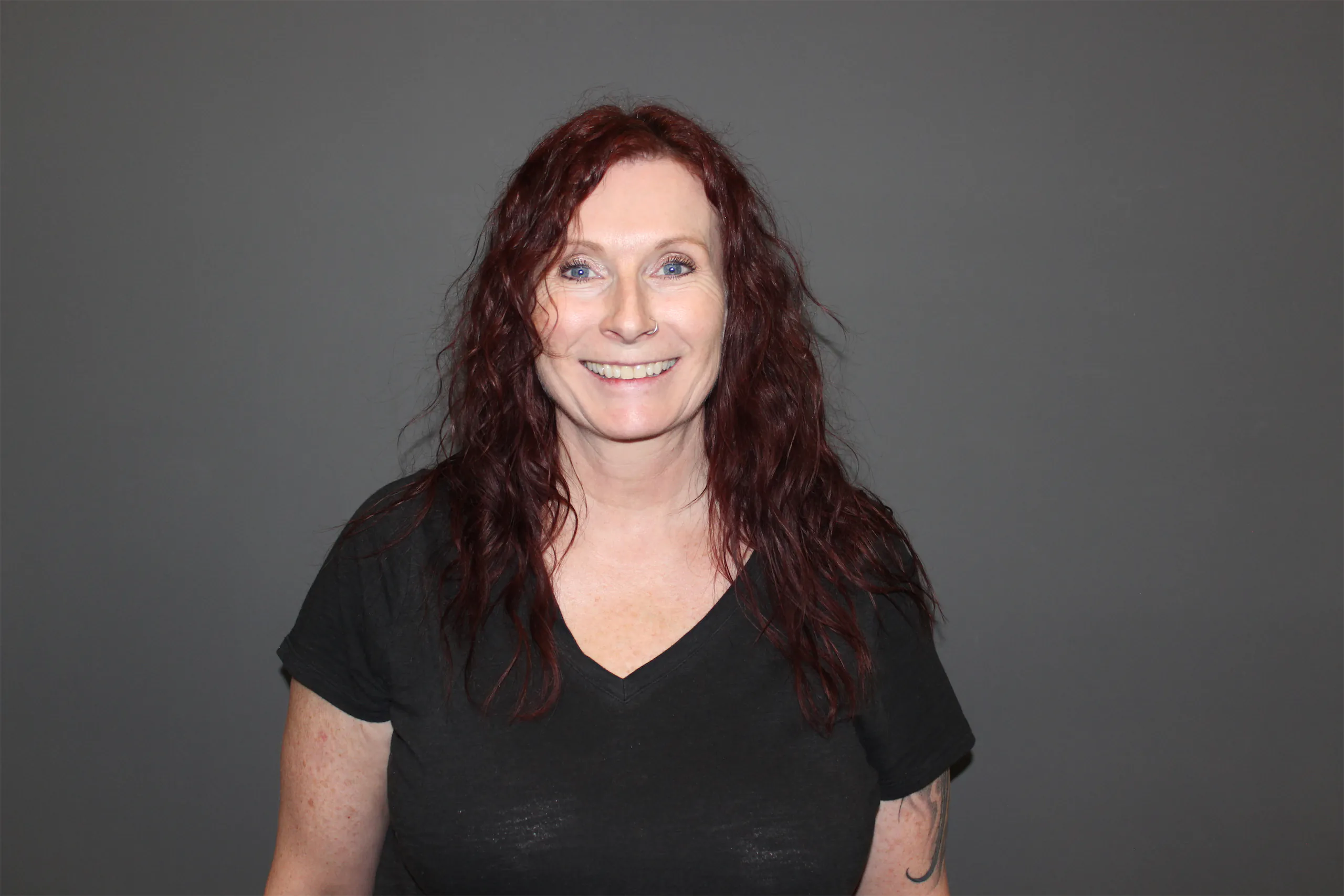
Faye Baldwin
MOT, RMT, RAPID NF Specialist
Manual Osteopathic Therapist, Registered Massage Therapist, RAPID Neurofascial Reset Specialist.
Faye was born and raised north of Vermilion. She is passionate about her career and always striving to enhance her knowledge with further education. Faye attended the Alberta College of Massage Therapy and the Manual Osteopathic College of Canada. As a dedicated therapist, she offers a holistic approach to healing, focusing on restoring balance and improving overall health. Faye also has a special interest in pediatric care, with a particular focus on treating conditions such as torticollis, gastrointestinal discomfort and other childhood ailments. In addition, Faye has also committed her time to further training as a RAPID Neurofascial specialist and in Craniosacral Therapy.
Outside of her professional life, Faye enjoys spending time with her family and working with her horses.
Jesse grew up on a farm in Derwent and recently settled in Islay with her husband. She has a passion for helping people making it easy for her to decide to attend the 2200-hour program at the Alberta Massage School, based in Lloydminster. Jesse is a member of the Natural Health Practitioners of Canada Association (NHPC). She is trained in both therapeutic and relaxation massage.
Jesse loves her career in Massage Therapy and it shows in her work. She continually expands her knowledge and techniques to help alleviate the discomforts that are associated with every day and occupational stresses, muscular strains and chronic pain conditions. She is excited to start helping you in your personal health journey!
Jlyn has been a Licensed Massage Therapist for 5 years, completing the two-year program through Alberta College of Massage Therapy. She is dedicated to helping clients relax, recover and restore balance in their bodies, while maintaining a compassionate and professional experience. Her goal is to create a safe, calming environment where every client feels supported on their journey to better health.
Outside the clinic you will see her chasing a toddler, spending time with family, singing to 90s country, and always laughing!
JW
Dr. Jessie Wasylik
Dr.Ac.
Jessie Wasylik is returning to Kinect Physiotherapy and Wellness, this time as a Registered Acupuncturist. Growing up in town and staying very active meant she had her fair share of injuries, which sparked her interest in helping others recover and feel their best. While completing her program at MacEwan University, Jessie discovered just how many benefits acupuncture can offer.
She believes the body is pretty smart, it just occasionally needs a gentle nudge. Jessie uses acupuncture for pain relief, injury recovery and prevention, routine maintenance for both internal and external concerns, or simply a well-timed pick-me-up. If you're not sure whether acupuncture can help, Jessie is always happy to chat and see if it's the right fit. The goal is simple: help your body do what it already knows how to do, just a little better.